Electric Water HeaterEmergency PlumberPlumberTips

Electric water heaters have become quite popular in recent years, and for good reason. They are more efficient, safer and easier to maintain compared to traditional gas-powered water heaters. With that being said, homeowners should consider an electric water heater instead of a gas-powered one due to a range of benefits.


Water Heater in Carlsbad: Why Switch to Electric?

If you’re in the market for a new water heater in Carlsbad, electric water heaters should be at the top of your list. They offer several advantages that make them appealing to many homeowners.


Energy Efficiency:

Electric water heaters are highly energy-efficient. They use less power than traditional gas water heaters, which means they’re more cost-effective to run. Over time, this can save you a lot of money on your energy bills.


Safety:

One of the biggest advantages of electric water heaters is that they’re safer than gas-powered models. They don’t produce combustion gases, which means there’s no risk of carbon monoxide poisoning. Additionally, there’s no need to worry about gas leaks, which can be a significant hazard in your home.


Easy To Maintain:

Electric water heaters don’t require as much maintenance as gas-powered models. Since there’s no combustion taking place, there’s no need to worry about cleaning out the burner or flue. With electric water heaters, you can simply flush out the tank regularly to remove any sediment buildup.


Emergency Plumber in Carlsbad: What to do During Emergencies?

While electric water heaters are less prone to emergencies than gas-powered models, it’s still important to know what to do in case of an emergency. If you notice any of the following signs, you should call an emergency plumber in Carlsbad right away:

– No hot water
– A strange odor coming from the tank
– Water pooling around the unit
– Strange noises coming from the unit


Since electric water heaters don’t use gas, you don’t have to worry about gas leaks. However, there can still be electrical hazards if the unit is not installed or maintained correctly, which is why it’s important to hire a professional plumber for installation and maintenance work.


Conclusion:

Electric water heaters are an excellent choice for homeowners. They’re energy-efficient, safe and easy to maintain, making them a great investment for any homeowner. If you’re considering a new water heater in Carlsbad, an electric model should be at the top of your list. Remember to hire a professional plumber for installation and maintenance work to ensure your electric water heater works properly and stays safe. And if you experience any emergency plumbing issues with your electric water heater, don’t hesitate to call an emergency plumber in Carlsbad right away.…
Electric Water HeaterEmergency PlumberPlumberTips

Electric water heaters are essential in households, especially during the colder months of the year. It is the primary equipment responsible for keeping warm water readily available for your needs. Water heaters in Carlsbad are an essential appliance that homeowners should consider when planning their home renovations or equipment upgrades.

In this post, we will discuss everything you need to know about electric water heaters, their benefits, and their overall impact on your household.

The Benefits Of Electric Water Heaters

Electric water heaters are a reliable and efficient way of heating water in homes and buildings. The five significant benefits of electric water heaters are as follows:

1. High Efficiency

Electric water heaters can heat water quickly and efficiently, using minimal energy, and keeping your bills low.

2. Easy Installation

Electric water heaters are easy to install, and you can always rely on an emergency plumber in Carlsbad for assistance.

3. Safety Features

Electric water heaters come with various safety features such as preventing overheating or overpressure. These safety features protect you and your home from potential accidents.

4. Low Maintenance

Electric water heaters require minimal maintenance, and you can save time and money in the long run.

5. Durability

Electric water heaters are designed to last longer, making your investment worthwhile.

Choosing The Right Electric Water Heater

Choosing the right electric water heater for your home in Carlsbad is essential. You need to consider the size of the water heater, energy efficiency, and the hot water needs of your household.

1. Tank Size

Electric water heaters come in different sizes, and the size of your heater tank should depend on your hot water requirements. If you have a larger household, you may need a bigger tank size.

2. Energy Efficiency

Electric water heaters come with different energy ratings. You should choose a water heater that is energy efficient and designed to decrease your monthly energy bills. You can check for the Energy Star label when selecting a water heater.

3. Hot Water Needs

You should also consider the number of people in your household and how much hot water they use per day. If everyone in your family needs a shower in the morning, you may need a larger tank.

Routine Maintenance For Electric Water Heaters

Electric water heaters are a low maintenance appliance. However, regular maintenance can increase their lifespan and efficiency. Maintaining your water heater involves:

1. Flushing The Tank

Calcium and other mineral deposits can accumulate in your water heater’s tank, reducing its efficiency. Flushing your tank once a year can remove these deposits, improve the performance of your water heater, and increase its lifespan.

2. Replacing Anode Rods

Anode rods should be replaced periodically to increase the lifespan of your water heater.

3. Checking The Pressure Relief Valve

The pressure relief valve is a safety feature in your water heater. It helps prevent your water heater from exploding due to overpressure. The valve should be checked periodically and replaced if faulty.

Conclusion

In conclusion, electric water heaters are an essential appliance in any home or building. They are reliable, efficient, and designed to meet the hot water needs of households. When choosing an electric water heater in Carlsbad, homeowners should consider the size of the water tank, energy efficiency, and hot water needs of their household. Regular maintenance is also essential in keeping your electric water heater in top condition. If you’re unsure about the best water heater for your home, you can always speak to an emergency plumber in Carlsbad for advice.…

Electric Water HeaterPlumberStorage Water HeaterTips

Water heaters are a necessity for anyone who wants to live in an apartment or house. They’re also an important part of any business or organization that has employees and needs to keep its facilities warm. When planning to install one at your place, the best plumber Carlsbad is what you need!

In this article, we’ll explain why water heaters are so important, what kinds of water heaters there are available today and how they work. Read on to know more in detail to have an overall better understanding!

The Common Type Of Water Heaters

Below Highlighted Are Some Most Common Types Of Heating Equipment Which Are As Follows:

  • Tankless Water Heaters:

These units have no storage tank, instead a plumber Carlsbad can connect these heaters directly to the hot water pipes in your home or building. They use a small amount of electricity and produce hot water as needed. They’re typically used for space heating or laundry purposes, but can also be used for other things like dishwashing if you want more hot water at once than what comes out from a faucet would normally provide.

  • Electric Water Heater:

An electric water heater uses electricity to heat an electric coil to make steam that will rise through it until reaching its desired temperature level (typically 110 degrees Fahrenheit). This type may be cheaper than other types because there isn’t any need for additional materials such as fuel oil tanks.

How Do Water Heaters Function? 

1. Electric Water Heaters Work In Every Home, Unless Where Electricity Isn’t Available

Electric water heaters are the most common type of heating equipment. They can be used in any home, even those without electricity. They use electricity to heat the water and require a connection to an electrical source.

2. Tankless Or On-Demand Hot Water Heaters Are Available In Electric, Gas And Propane Models

Tankless or on-demand hot water heaters are available in electric, gas and propane models.

Tankless heaters are also more efficient than tank models because they don’t use their energy until it’s needed. This means less wasted energy and higher efficiency ratings from the appliance.

3. Solar Water Tanks Collect And Store Water Heated By The Sun

Solar water heaters are a great way to heat your home. They use the sun’s energy to warm up water, which you then use in your shower or dishwasher. These water heating systems work by using solar panels that absorb and store light energy from the sun.

When it’s dark out, this stored energy can be used to produce hot water for your home. One of these systems will cost about $3,000 but could pay for itself within 6 years if you’re able to insulate yourself from rising electricity costs (which are likely going up).

Conclusion

The best way to get started with your new water heater is by calling a plumber Carlsbad. When looking for an emergency plumber near me, be sure to hire the experts who can well explain the different types of water heaters, provide you with an estimate and answer any questions that may come up during installation.…

Electric Water HeaterEmergency PlumberPlumberTipsWater Heater InstallationWater Heater Repair

As for the replacement, it goes without saying: the old one has given up! A storage water heater has a lifetime, like all of its elements, and spent ten years, and it is not uncommon for one of its components to be in fault.

Replacing a thermostat, a resistor or an anode on a water heater for ten years carries a risk: that of remaking a new piece by piece its water heater and having a bill to pay heavier than for a standard exchange.
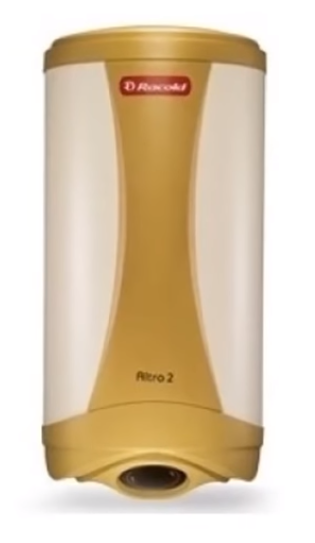
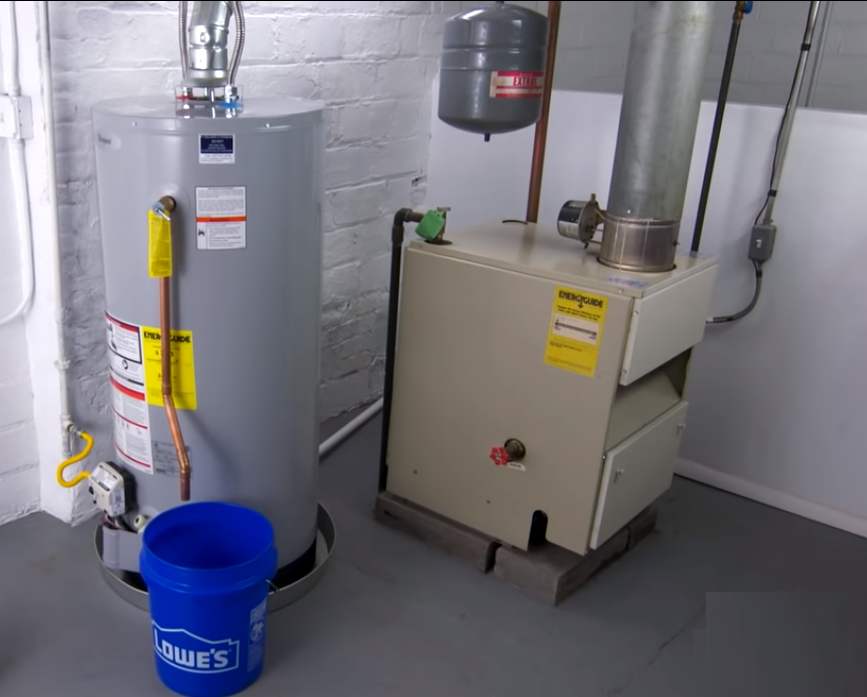
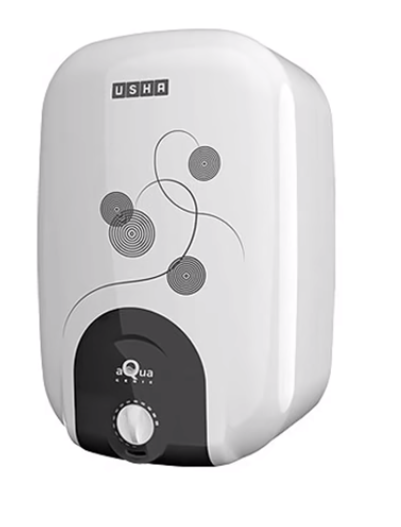
Choosing an installation is different and to choose the right electric water heater, several criteria are to be considered as the number of people living in the home, the quality of the water and the degree of finish of the product.

Here is a detailed illustration of the different components of the installation of an electric storage water heater and in this guide, the various installation steps from the removal of the old tank until commissioning.

Replace Your Storage Water Heater In 5 Steps

Know How

You can divide the replacement or installation of a storage water heater in 5 steps – the number of steps being at the discretion of the user, of course! In terms of the time required, allow about 4 hours: 1.5 h for draining the water heater; 2,5 hours for disassembly and assembly. Question skills and tools, the installation of a hot water tank is secure, and after viewing the installation guide, even the least handyman can complete the site. If you are not color-blind, you know how to use a drill, a spirit level, a meter, and a flat key: you can be the best plumber of a day!

Installation Steps

  • Drain the hot water tank
  • Disconnect and remove the water heater
  • Install the new water heater
  • Connect the electric water heater
  • Commissioning of the storage water heater

Tools and consumables

  • A drill with percussion mode if the first installation with a tape measure, a spirit level, and a pencil.
  • A pair of pliers and 1 set of wrenches.
  • An electrician’s screwdriver.
  • Of the tow, the sealing paste and fiber seal 20 x 27 mm (3/4 ”).
  • Anchors adapted to the support and fixing studs.
  • Accumulator water heater accessories
  • A security group and its siphon.
  • An expansion tank, according to the installation.
  • Of dielectric fittings.
  • Connection hoses – depending on the installation.
  • A thermostatic mixing valve.
  • A pressure reducer – depending on the configuration; necessary if pressure above 3 bar (B).

Installation time and people needed

About 4 hours of assembly, including emptying.

1 or 2 people for the removal and installation of the ball.

Electric Water HeaterEmergency PlumberPlumberStorage Water HeaterTipsWater Heater InstallationWater Heater Repair

Step 1: Drain The Hot Water Tank.

As you can imagine, you are not going to put an electric water heater with its tank filled with hot water. Before removal, you must drain it.

The installation guide suggests spontaneous emptying, emptying during a breakdown and when it was not possible to anticipate the replacement. As part of a planned replacement, leave the hot water from the balloon by any means. Do the dishes, take a bath, shower the dog, or wash your car with a bucket and sponge: the idea is not to lose 150 liters of hot water.

Of course, and before any business, you cut off the water supply of the water heater from the stop valve, and you break the modular circuit breaker on the board. You do this preferably the day before. Otherwise, about spontaneous emptying, you:

  • turn off the power and the water supply;
  • open a hot water faucet in the house to break the pressure  ;
  • open the purge valve located on the safety group ;
  • wait about 1.5 hours for the water heater to drain, water flowing from the unit and through the siphon to the sewage system.

Step 2: Unplug And Remove The Water Heater.

An electric water heater is powered by electricity at the thermostat  – the thermostat controls the resistance that heats the water – accessible under the plastic hood located below the hot water tank. To access it, have an electrician’s screwdriver, check that the power is off and dismantle the hood and disconnect the thermostat (ground wire, a neutral wire, and phase).

When the drain is finished, you can remove the safety group (mains supply side) and the siphon, unscrew the hot water outlet and possibly the accessories of your tank – pressure reducer, expansion tank, dielectric connections, thermostatic mixing valve.

Then, the water heater is held by a bracket at the back, and a simple vertical translational motion is required to leave it from its accommodation – in other words, you lift the water heater!

Step 3: Install The New Water Heater.

As part of a replacement, nothing to report! Install the new hot water tank in the same manner as you removed the old hot water tank. Get help with the installation of the balloon, even if it is not very heavy, the water heater is cumbersome and coincide fixing the container to the studs is not always obvious.

In the case of a new installation, you must ensure several points:

  • have a power supply via a cable outlet;
  • have access to the wastewater outlet to connect the siphon of the safety group;
  • have a cold water supply with a shut-off valve ;
  • have the start of the hot water system that will serve sink, sink, and shower ;
  • have enough space with a 20 cm margin around the water heater tank and install the water heater with a meter, a spirit level and the template provided – use a percussion drill to drill the water heater hard materials;
  • Have a support wall that can support the charge of the water-filled balloon and if necessary, provide your water heater with a tripod for vertical installation. The fixing pins are necessarily adapted to the support.

Step 4: Connect The Electric Water Heater.

Connecting a storage water heater to the hydraulic and electrical systems is easy provided you follow a minimum of instructions. When your balloon is fixed (let play before locking the nuts permanently), first connect the hydraulic network and then the electrical and connect according to your installation:

  • the pressure reducer – necessary if the pressure exceeds 3 bar (B);
  • the expansion tank – allows to recover the 3% dilated hot water;
  • the dielectric fittings – for better protection against corrosion;
  • the thermostatic mixing valve – used to regulate the output temperature of the hot water;
  • the safety group chose according to the needs of the installation and the quality of the water;
  • the siphon of the group to the evacuation network;
  • the arrival of cold water to the balloon – blue collar;
  • the ground wire/ground wire on the carcass of the balloon – green and yellow wire;
  • the power wire – the phase is brown or red;
  • the neutral blue colored thread.

When everything is plugged in, set the set temperature from the thermostat by turning the control wheel. It is imperative that all water connections are made with bead and sealant – except for the siphon compression fitting of the safety group. The female screw connections receive an essential fiber seal for a good seal.

Step 5: Commissioning The Storage Water Heater.

The commissioning of the water heater can be carried out when:

  • the electrical connection is compliant ;
  • the set temperature is entered on the thermostat;
  • you have put the plastic hood on the bottom of the balloon;
  • all hydraulic connections are made with a thread seal and locked;
  • you have blocked the fixing nuts of the water heater;
  • the thermostatic mixing valve is set to the correct temperature ;
  • the siphon of the security group is connected to the evacuation.

If everything is correctly assembled and according to the manufacturer’s recommendations, you can open the water supply and the tap of the safety group and switch on the power again. Allow about 5 hours for hot water if you have a water heater with a volume of 100 l.