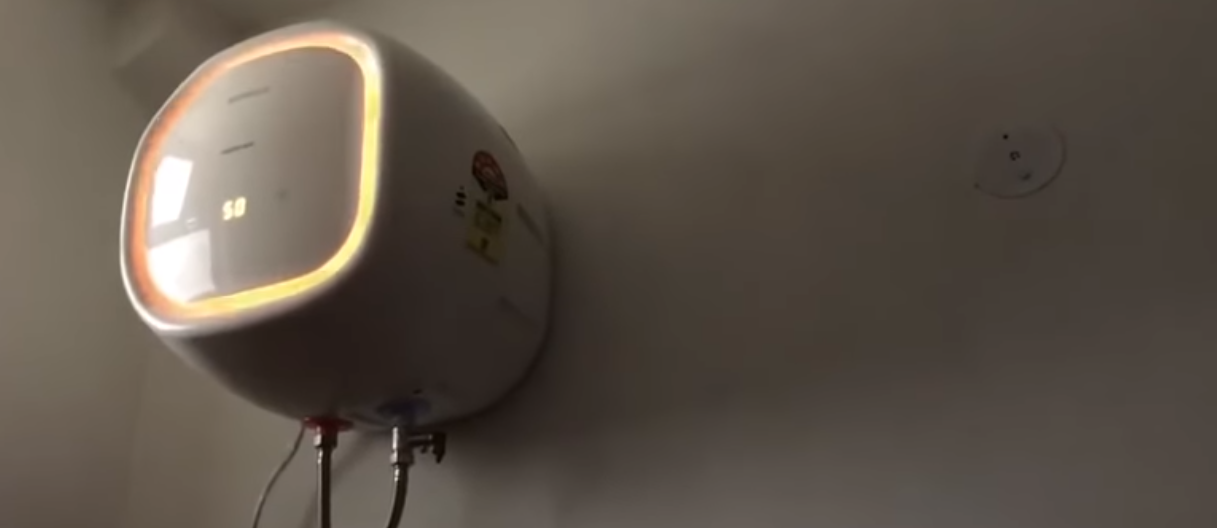
When choosing a water heater for your home, you’ll likely be faced with two primary options: gas or electric. While electric water heaters have become popular for their ease of installation and efficiency, they come with some drawbacks that homeowners need to consider before making a decision. Understanding the downsides of an electric water heater will help you determine if it’s the best fit for your household needs. In this blog post, we’ll explore some of the disadvantages of electric water heaters and when you should consult a professional for help, like a water heater in Carlsbad or an emergency plumber in Carlsbad.
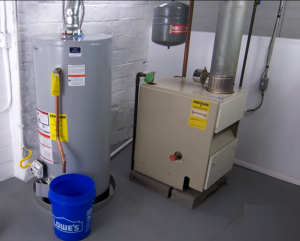
Why Consider an Electric Water Heater?
Electric water heaters are widely used due to their affordability, ease of installation, and efficiency in converting electrical energy into heat. They don’t require access to natural gas, making them ideal for areas where gas lines aren’t available or practical. Additionally, they tend to have fewer components than gas water heaters, which can make maintenance less frequent. However, electric water heaters are not without their downsides, and it’s important to weigh the pros and cons before making your choice.
The Downsides of Electric Water Heaters
1. Higher Operating Costs
One of the most significant downsides of an electric water heater is the cost of operation. Electricity generally costs more than natural gas, which means that operating an electric water heater can lead to higher energy bills. According to energy experts, electric water heaters can cost up to 30% more in utility bills compared to their gas counterparts. This difference in cost can be particularly noticeable in regions where electricity rates are high.
If you’re someone who uses a large amount of hot water daily (for showers, laundry, and dishes), the operating costs of an electric water heater could quickly add up. Homeowners in Carlsbad may benefit from seeking the advice of a water heater in Carlsbad professional to determine whether switching to a gas water heater would save them money in the long run.
2. Slower Recovery Rate
Another disadvantage of electric water heaters is their slower recovery rate compared to gas water heaters. The recovery rate refers to how quickly the water heater can heat a full tank of cold water after it has been depleted. Electric water heaters tend to have a slower recovery time, which can be a problem for large families or households that use a lot of hot water in quick succession.
If your household often runs out of hot water, you might experience frustrating delays while waiting for the water heater to reheat the tank. A gas water heater, on the other hand, can recover much more quickly due to its ability to heat the water at a faster rate.
3. Power Outages Mean No Hot Water
One of the major downsides of electric water heaters is their reliance on electricity to operate. If you experience a power outage, your electric water heater will not be able to function. This means that during severe weather events or emergencies, you’ll be left without hot water for an extended period of time. While power outages are relatively rare in Carlsbad, they are a possibility that should be considered when deciding between an electric or gas water heater.
In contrast, gas water heaters can continue to operate during a power outage because they use natural gas to heat the water. If you live in an area prone to electrical issues, or if consistent access to hot water is a necessity for your household, consulting with an emergency plumber in Carlsbad about gas water heaters might be a good alternative to an electric model.
4. Limited Capacity for High-Demand Households
Electric water heaters typically come in a variety of sizes, but even the largest models may struggle to meet the demands of high-usage households. For large homes, or for homes with multiple bathrooms, an electric water heater may not provide sufficient hot water during peak usage times. While you could install multiple electric water heaters, this would drive up both installation and operating costs, making it less efficient overall.
A professional water heater in Carlsbad technician can help assess your household’s hot water usage and recommend whether an electric or gas model is better suited to your needs.
5. Slower Heating Time
Another downside of electric water heaters is that they take longer to heat water compared to gas water heaters. Electric heating elements take more time to heat up, which can lead to delays in having hot water available when needed. This may not be an issue for small households, but for larger families who need immediate access to hot water (e.g., for morning showers), this can be a major inconvenience.
Conclusion: Weighing the Pros and Cons
While electric water heaters are known for their ease of installation, lower upfront costs, and overall energy efficiency, they do come with several disadvantages. The higher operating costs, slower recovery rate, and dependence on electricity are important factors to consider when deciding on a water heater for your home. If you live in an area prone to power outages, or if your household has high hot water demands, it may be worth looking into alternative options, such as a gas water heater.
Before making a decision, it’s wise to consult with a water heater in Carlsbad professional who can help you evaluate your hot water needs and make the best choice for your home. If you find yourself facing issues with your current water heater, don’t hesitate to reach out to an emergency plumber in Carlsbad to assess the situation and recommend solutions that can save you time and money in the long run.
By understanding the limitations of electric water heaters, you can make an informed choice that will keep your home running smoothly and efficiently.