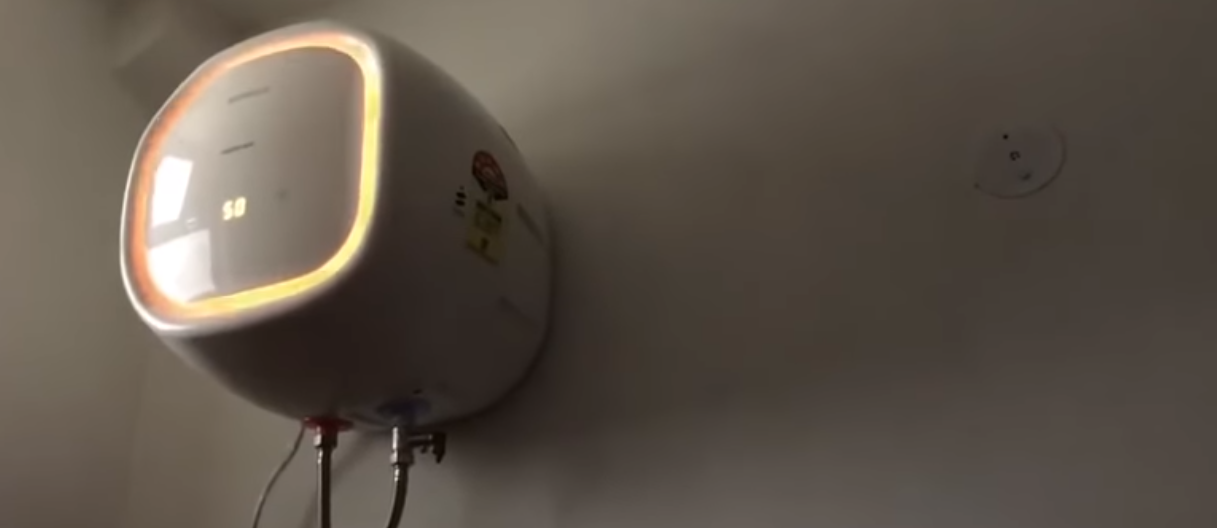
Electric hot water heaters are an essential component of modern homes, providing a consistent supply of hot water for bathing, cleaning, and cooking. While they offer numerous benefits, it’s crucial to understand their operation, maintenance needs, and potential issues to ensure they function efficiently and last as long as possible. This article will delve into the key aspects of electric hot water heaters, offering insights from a professional water heater in Carlsbad and an emergency plumber in Carlsbad.
Electric hot water heaters are widely used due to their reliability and ease of installation. They convert electrical energy into heat to warm up the water stored in a tank. Understanding how these systems work, the common problems they may encounter, and how to maintain them can help homeowners make informed decisions about their hot water needs.
How Electric Hot Water Heaters Work
Electric hot water heaters consist of a tank, heating elements, a thermostat, and various safety components. Here’s a brief overview of their operation:
- Water Inlet and Outlet: Cold water enters the tank through the dip tube and is heated by the elements. The hot water rises to the top and exits through the heat-out pipe.
- Heating Elements: Most electric heaters have two heating elements – one near the top and one near the bottom. These elements are controlled by thermostats, which regulate the water temperature.
- Thermostats: The thermostats ensure the water temperature remains within a safe range, typically between 120-140 degrees Fahrenheit.
- Safety Features: These include a pressure relief valve to prevent excessive pressure build-up and insulation to maintain water temperature and improve energy efficiency.
Common Issues and Solutions
Electric hot water heaters, while generally reliable, can face several issues. Consulting a water heater in Carlsbad can provide professional diagnosis and repair. Here are some common problems:
- No Hot Water: This could be due to a tripped circuit breaker, a faulty thermostat, or a broken heating element. Resetting the circuit breaker or replacing the defective components can often resolve this issue.
- Inadequate Hot Water: If the water is not hot enough, it might be due to a misadjusted thermostat or a malfunctioning heating element. Adjusting the thermostat settings or replacing the heating element may be necessary.
- Strange Noises: Sediment buildup at the bottom of the tank can cause popping or rumbling noises. Draining and flushing the tank can help remove sediment and improve the heater’s efficiency.
- Leaking Tank: A leak often indicates a serious problem, such as internal corrosion. If the tank itself is leaking, replacement is usually the only solution.
- Discolored Water: Rusty or cloudy water can indicate corrosion inside the tank or issues with the anode rod. Replacing the anode rod can help prevent further corrosion.
Maintenance Tips
Regular maintenance can prolong the life of your electric hot water heater and ensure it operates efficiently. Here are some tips recommended by an emergency plumber in Carlsbad:
- Regular Inspection: Periodically check for signs of wear and tear, such as rust, leaks, or unusual noises. Early detection can prevent major issues.
- Flushing the Tank: At least once a year, flush the tank to remove sediment buildup. This can improve efficiency and extend the heater’s lifespan.
- Check the Anode Rod: Inspect and replace the anode rod every few years to prevent corrosion inside the tank.
- Adjust Thermostat Settings: Keep the thermostat set between 120-140 degrees Fahrenheit to balance comfort and energy savings.
- Test the Pressure Relief Valve: Lift the valve handle to ensure it releases water; if not, it may need replacement.
Choosing the Right Electric Hot Water Heater
When selecting a new electric hot water heater, consider the following factors:
- Capacity: Choose a tank size that meets your household’s hot water needs. Smaller tanks are suitable for single individuals or couples, while larger tanks are better for families.
- Energy Efficiency: Look for models with high energy efficiency ratings. Energy-efficient heaters can save money on utility bills over time.
- Warranty: Check the warranty terms to ensure you have coverage for potential repairs or replacements.
- Professional Installation: Hire a qualified plumber in Carlsbad to ensure proper installation and compliance with local building codes.
Conclusion
Electric hot water heaters are a vital part of many homes, providing the necessary hot water for daily activities. Understanding how they work, common issues, and maintenance needs can help homeowners keep their systems running smoothly and efficiently. When problems arise, consulting a water heater in Carlsbad or an emergency plumber in Carlsbad can provide professional solutions to ensure your hot water heater continues to operate effectively. Regular maintenance and timely repairs can extend the lifespan of your electric hot water heater, making it a reliable and efficient appliance in your home.